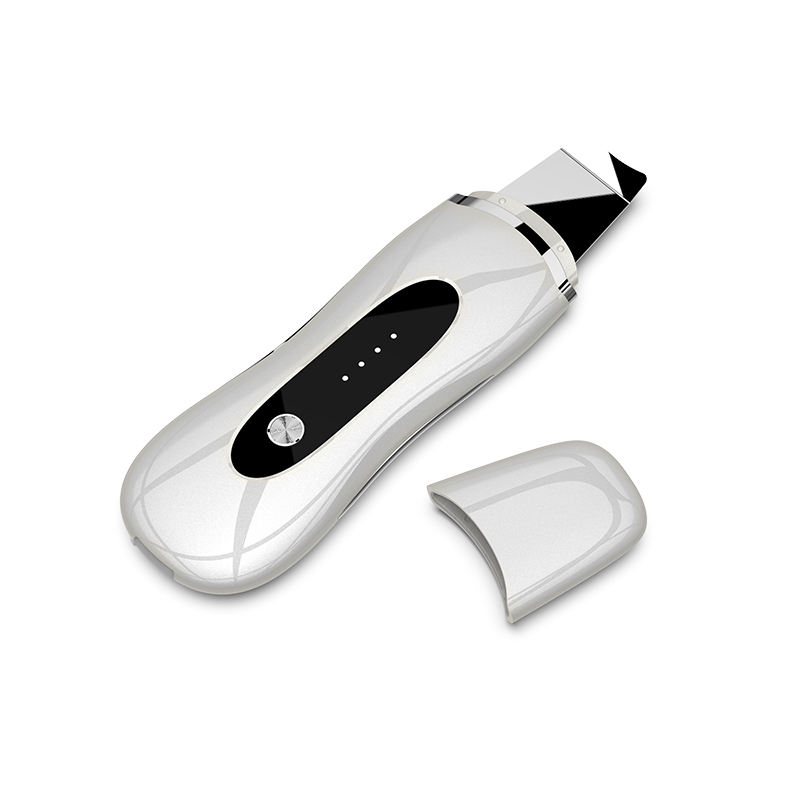
Why 24kHz–28kHz is the Gold Standard for Ultrasonic Skin Scrubbers: The B2B Manufacturing Truth
Discover the critical engineering gap between true 24kHz–28kHz piezoelectric cavitation and cheap vibration motors, and learn how to audit suppliers before mass production.Not all skin spatulas are created equal.
1. Introduction
If you search for OEM ultrasonic skin scrubbers (also known as skin spatulas) from China manufacturers, you will notice that almost every supplier claims their device operates at a frequency of 24kHz to 28kHz.
However, wholesale prices for these seemingly identical spatulas vary wildly—ranging anywhere from $3 to $20+ per unit.
Why is 24kHz–28kHz universally considered the gold standard for skin spatulas? And if every supplier claims to offer the same frequency, why is there such a massive price and quality gap in the B2B market? This sourcing guide breaks down the physical science and manufacturing reality behind skin scrubbers.
2. Why 24kHz–28kHz is the Science-Backed "Gold Standard"
The primary function of an ultrasonic skin scrubber is micro-cavitation. When high-frequency sound waves travel through a thin layer of water on the skin, they create microscopic bubbles that violently implode, blasting away dead skin cells, makeup residue, and clogged sebum.
So why do quality engineers target the 24,000Hz to 28,000Hz range (24–28 thousand vibrations per second)?
The Physical Limits of Water Atomization:
Frequencies below 20kHz fall into the human hearing range (generating annoying harsh noises) and lack the physical cavitation energy needed to atomize water droplets into micro-mist.
Epidermal Safety & Heat Control:
Frequencies higher than 30kHz (like 1MHz or 3MHz used in deep-tissue HIFU/RF devices) penetrate too deeply and generate high thermal energy. If applied directly to a thin metal spatula on the skin's surface, higher frequencies would cause uncomfortable friction heating and disrupt the skin barrier.
The Perfect Balance:
24kHz–28kHz is the exact physical sweet spot. It provides maximum micro-cavitation force to instantly turn water into mist for deep pore clearing while remaining completely painless and safe for the stratum corneum.
3. The Price Myth: Why Do "Identical 24kHz" Scrubbers Cost So Differently?
If two factories both put "24kHz Ultrasonic Scrubber" on their specification sheet, why does one cost $4 and the other cost $15? Here is the manufacturing breakdown that separates cheap consumer gadgets from professional-grade OEM devices:
① True Ultrasonic Transducer vs. Cheap Vibration Motor
Low-Cost Copycats ($3–$5): Many ultra-cheap spatulas do not contain a genuine ultrasonic transducer at all. Instead, they use a standard eccentric vibration motor (the same motor found in vibrating toys or basic electric toothbrushes). While the handle vibrates in your hand, it lacks ultrasonic cavitation—it cannot atomize water droplets, meaning it relies on brute physical scraping rather than acoustic cleaning.
Quality Manufacturers ($10+): Premium devices utilize a high-precision piezoelectric ceramic transducer (PCT) that genuinely vibrates the metal spatula at 24,000+ Hz, instantly vaporizing water into mist upon contact.
② 304 Medical-Grade Steel & R-Angle Blade Polishing
Low-Cost Copycats: Use cheap stainless steel alloys with rough, stamped edges. These blades can scratch the skin barrier and cause red streak marks during treatment.
Quality Manufacturers: Use 304 medical-grade stainless steel with R-Angle smooth edge polishing. The contoured curve glides seamlessly across sensitive facial contours without irritation.
③ Multi-Functional Tech Integration (4-in-1 Synergy)
A professional multifunctional 4in1 skin spatula is rarely just a scraper. High-value B2B devices combine 24kHz ultrasonic cavitation with 3 synergistic technologies to help brands command higher retail margins ($39–$69):
Ion+ (Positive Ion Export): Uses positive microcurrents to attract and draw out negatively charged deep-pore impactions.
Ion- (Negative Ion Import): Pushes active skincare ingredients (Vitamin C, serums) deeper into the epidermis.
EMS Microcurrent: Delivers low-frequency electrical impulses to tone facial expression muscles and stimulate ATP.
④ Waterproof Engineering & Circuit Board Protection
Skin scrubbers are constantly used in humid bathrooms with wet hands. Cheap units lack internal glue sealing around the spatula socket, leading to water ingress, short circuits, and high return (RMA) rates. Quality factories build IPX5/IPX6 waterproof structures with stable PCB voltage management.
Understanding the technical gap between true 24kHz ultrasonic transducers and cheap vibration motors is crucial for protecting your brand’s reputation and customer satisfaction.
If you are looking to source high-reliability portable 24kHz skin spatulas with custom logo branding and CE/RoHS compliance, Xiamen Lucky Lion Technology offers factory-direct sample testing and fast-ship OEM solutions.
👉 [Contact Our Supply Chain Team for Sample Quotes & HD Video Assets]
Related articles
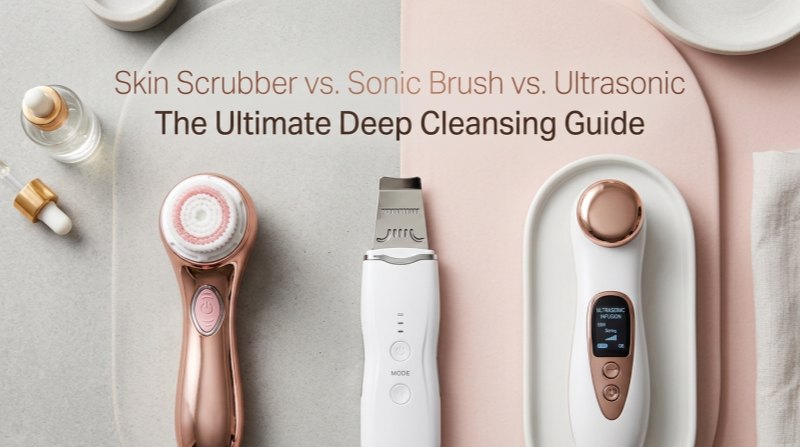
They All Claim to "Deep Cleanse"—But How Do They Actually Clean Your Skin?
Confused by skincare hardware terminology? Discover the real mechanical differences between Sonic Cleansing Brushes, Ultrasonic Skin Scrubbers, and Ul
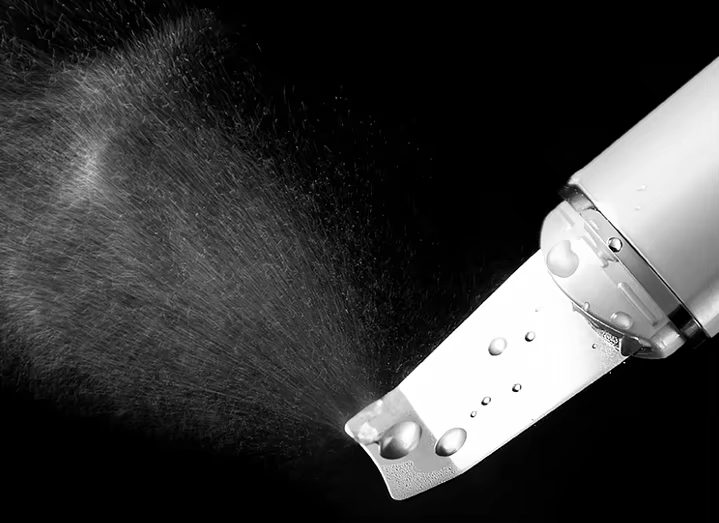
How to Choose a Professional Ultrasonic Skin Scrubber?
Sourcing the right ultrasonic skin scrubber is critical for beauty brands and wholesalers. Learn how to spot true ultrasonic technology, avoid low-end
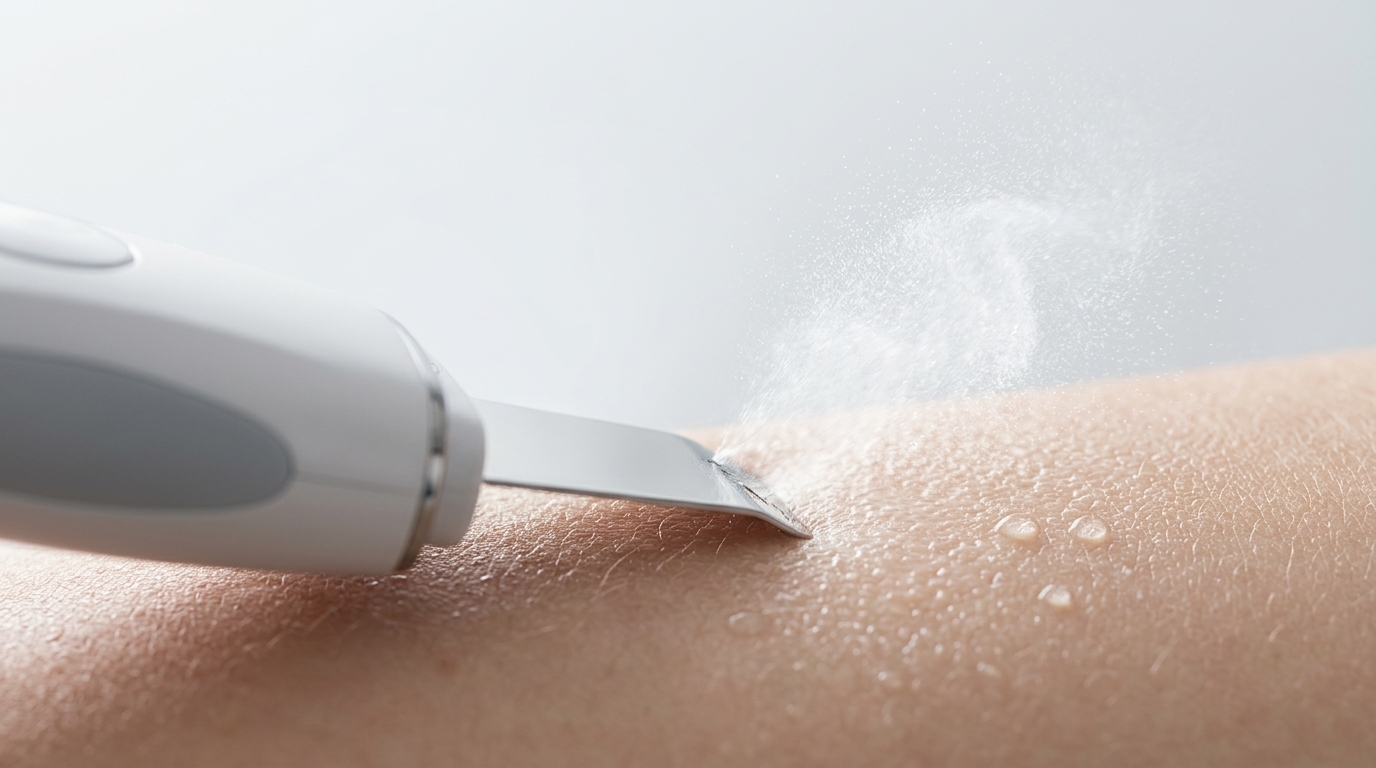
Professional Ultrasonic Skin Scrubber vs. Traditional Cleansers: A B2B Sourcing & Technology Guide
Discover why the professional ultrasonic skin spatula is transforming facial exfoliation. A complete B2B sourcing and tech guide covering cavitation,