
Common Troubleshooting After Receiving a New High-Frequency Wand
Learn common problems after unboxing a new high-frequency wand, including broken glass electrodes, unresponsive main unit, non-glowing tubes, tingling base and normal heating troubleshooting.
When you unbox a new high-frequency beauty wand, you may encounter various unexpected situations at first use. Most of these phenomena are not manufacturing defects; they stem from consumable characteristics, assembly tolerances or improper operation. This guide covers the most common problems after delivery, with standardized inspection steps to help users tell the difference between normal physical behavior and hardware failure.
1. Broken glass electrodes found inside the package
Glass electrodes are fragile consumables. Although they are packaged securely enough to provide adequate protection when they leave the factory, they often break due to vibrations during shipping or rough handling by couriers.
✅ Standard inspection method:
install one undamaged glass electrode in the intact main unit, and power it on to confirm it lights up properly.
Use this working glowing electrode to touch the outer wall of remaining electrodes directly. Do not need to install each electrode tubes one by one; this method can quickly checks whether other electrodes leak gas and if can ignite normally.
After finishing the inspection, take photos of broken electrodes and contact your supplier for replacement.

2.Tight glass electrode base :never use brute force during insert and screw out
Earlier models of high-frequency analyzers used solid copper metal electrode bases. Since metal has poor elasticity, even the slightest tolerance variation can cause some bases to be too tight, making installation difficult during initial use.
Many newer models have switched to electroplated plastic sockets to ensure smoother insertion and removal. Regardless of the socket material, align the electrode vertically and rotate it gently during installation. Never apply excessive force.

Important reminder: Always power off the unit or turn intensity to 0 before plugging or unplugging glass electrodes. Never connect or disconnect electrodes while the device is active.
Do not pull or push hard by gripping the glass shaft. This may crack the glass tube or jam the electrode stuck inside the base permanently.
❌ WRONG WAY: Grab and pull the glass body of the electrode directly.
✅ CORRECT WAY: Hold the metal connector base of the glass electrode. Align with the socket, insert or remove with gentle vertical twisting motion.
Many updated models switch to electroplated plastic bases for smoother insertion and removal. Regardless of base material, always power‑off before swapping electrodes and avoid excessive force.

3. The host shows no response after powering on
A functional wand usually emits a low operating hum when switched to the highest power level.
If the device produces no sound or response across all power settings: for touchscreen models, check the user manual for correct startup procedures (many touch versions high frequency require long-press unlock or double-tap activation).
If the unit still fails to run after confirming correct operation, the main unit is likely faulty and requires after-sales support.
4. Main unit works normally, but glass electrode fails to light up
Neon and argon are generally inert gases.
If inert gas is left undisturbed for a long time inside a brand-new, stored glass electrode, it can be difficult to excite the gas during initial use. Many buyers immediately get upset when they see that the glass isn’t glowing, assuming it’s a quality issue.
However, you must first rule out the possibility that the internal gas hasn’t been excited.
✅ Recommended procedure: Set the device to the highest setting and have the electrode gently touch a conductive material—such as the surface of a metal object—for a moment. This is safer.
If you need to touch the glass tube with your hand/skin to ignite it, be careful not to set it to the highest setting, as the sudden current surge upon ignition could startle you.
Once the gas is ignited, the electrode will generally begin to glow normally.
If it still fails to light up after multiple attempts, this indicates that the electrode is damaged or has a gas leak.
5. Electric Shock/Tingling sensation when touching the end on the wand
The glass electrode mounting base is located at the top of the high-frequency device’s handle. If touched while the device is in operation, an electric field is generated, resulting in a momentary induced current. Direct contact with the hand may cause a slight stinging sensation, which is a natural physical characteristic of the high-frequency device itself and does not indicate an electrical leak in the entire unit.
Most early models featured a printed lightning warning symbol to alert users; however, due to production cost considerations, many newer models omit this warning. Users should therefore be mindful of the operating guidelines.

✅ Avoid direct contact with this metal base as much as possible during use.
Some high-frequency devices also feature a thickened casing at the top, so there is no noticeable sensation of an electric shock when touched, making them much safer to use. like this model : XS8008 9 level adjust LED panel High Frequency Machine

6. The wand body gets warm up after around 15 minutes of continuous use (Normal Heat vs Abnormal Overheating)
The circuit board generates heat during operation for high-frequency devices. Qualified designs include built-in overheat protection modules to dissipate heat safely. Moderate warming after extended use is normal, and overheat protection prevents permanent circuit burnout and extends service life.
Some low-cost models simplify internal structures to eliminate obvious heat output, so users barely feel any temperature rise. However, this modification is not necessarily an improvement. Without proper heat dissipation, internal components tend to age faster under continuous working conditions.
Disclaimer: This article only describes hardware phenomena and self-inspection steps. It does not state any skincare, therapeutic or medical benefits. Always read the official user manual before operation.
If you encounter persistent hardware faults with your high-frequency wand after completing this self-check guide for self use, or company project sample test. You can looking for reliable Darsonval suppliers, OEM customization and replacement glass electrodes for your brand, feel free to contact our team for catalog, pricing and sample support. Xiamen Lucky Lion Technology is really professional in customizing and offer stock wholesale for different beauty tools.
Related articles
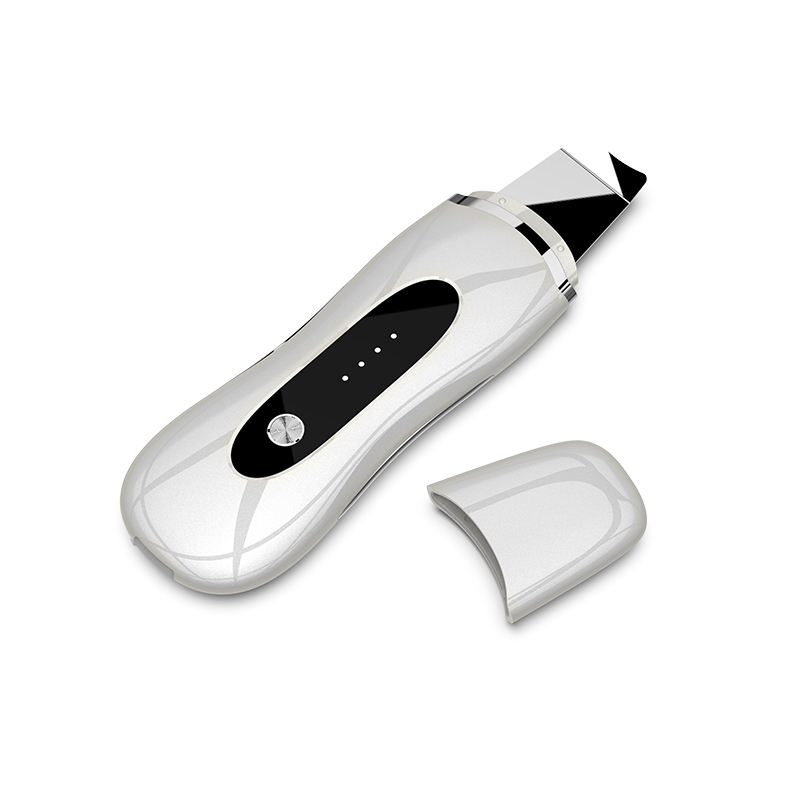
Why 24kHz–28kHz is the Gold Standard for Ultrasonic Skin Scrubbers: The B2B Manufacturing Truth
Discover the critical engineering gap between true 24kHz–28kHz piezoelectric cavitation and cheap vibration motors, and learn how to audit suppliers b
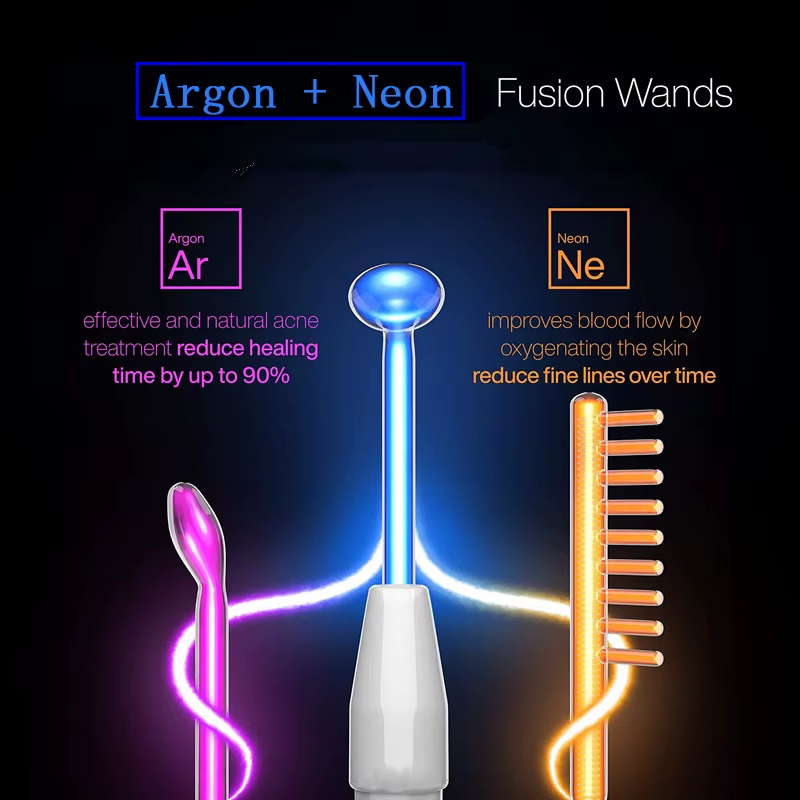
Neon, Argon, Fusion, Spiral Coil High Frequency Glass Electrodes
Learn the real differences between Neon, Argon, and Fusion gases, the science behind internal metal spiral coil electrodes, and why factory wholesale
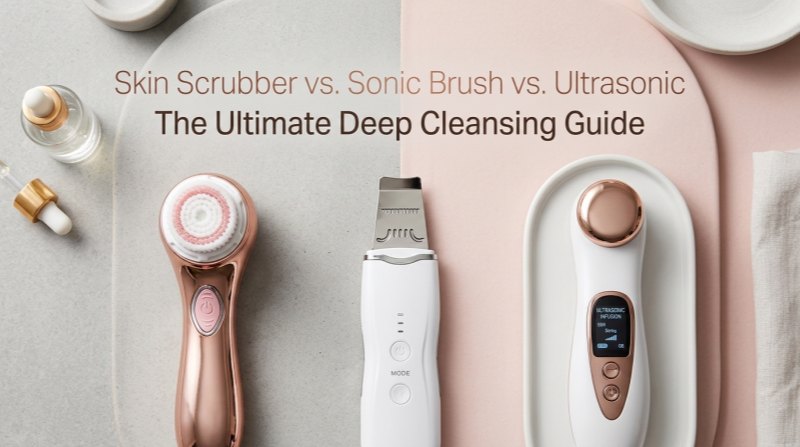
They All Claim to "Deep Cleanse"—But How Do They Actually Clean Your Skin?
Confused by skincare hardware terminology? Discover the real mechanical differences between Sonic Cleansing Brushes, Ultrasonic Skin Scrubbers, and Ul