
High Frequency Wand for Hair Scalp
Does high-frequency wand works for hair? Learn its working principle, correct usage frequency, real scalp benefits, and the difference between high frequency and light therapy.
I. Introduction
Originally, high-frequency wands were professional skincare devices exclusive to beauty salons, mainly used for facial and skin treatments. The device generates high-frequency micro-current through a glass electrode tube. When the electrode touches the skin, it ionizes oxygen in the air to produce ozone, which helps improve blood circulation, deliver antibacterial and anti-inflammatory effects, and accelerate superficial wound healing, making it ideal for acne-prone skin. Today, upgraded with a dedicated comb electrode, the high-frequency wand has become a mainstream tool for daily scalp and hair maintenance.
Disclaimer: This device is a cosmetic physical beauty tool, not medical equipment. It only optimizes scalp conditions and cannot treat hair loss or scalp diseases. All effects are limited to daily care rountines.

II. What Is a High-Frequency Hair Comb?
A high-frequency hair comb is a professional physical hair care tool widely used in salons and scalp care centers. Combining high-frequency micro-current energy, mild thermal conduction, and physical vibration massage, it acts on the scalp surface to clean excess oil, boost blood circulation, activate follicle vitality, and create a healthier growing environment for hair. and now it can be widely used at home DIY daily skin/scalp care.

III. What is the Working Principle of High-Frequency Wand for Scalp & Hair
High-frequency wands adopt safe physical ionization technology (100kHz–300kHz high-frequency current). When the energized glass electrode touches the scalp, it produces three core physical effects to improve scalp health fundamentally:
1. Oxygen Ionization & Antibacterial Purification
The energized glass comb ionizes oxygen in the air to generate safe trace ozone with mild antibacterial and anti-inflammatory properties. It effectively decomposes excess scalp oil, removes dirt and styling product buildup, relieves scalp itching, clogged pores and dull inflammation, and maintains long-lasting scalp freshness.
2. Micro-Current Stimulation & Blood Circulation Boost
Stable high-frequency micro-current penetrates the scalp surface and generates gentle thermal stimulation. It dilates superficial capillaries, accelerates microcirculation, and delivers more oxygen and nutrients to hair follicles. This greatly improves thinning hair and shedding caused by malnutrition, staying up late, and high stress.
3. High-Frequency Vibration Cleaning & Hair Repair
The device produces continuous micro-vibration to loosen hardened sebum and follicle residues, deeply clean the scalp, and reduce dandruff. Meanwhile, high-frequency vibration smooths raised hair cuticles, neutralizes static electricity, repairs dry and frizzy hair, and restores gloss to perm and dye-damaged hair.
IV. What's the Benefits of High-Frequency Scalp Care
With consistent and standardized use, a high-frequency hair comb comprehensively improves scalp and hair condition:
- Improve oily scalp: Regulate sebum secretion, relieve greasy, flat and itchy scalp, reduce recurring dandruff, and keep hair fluffy and fresh.
- Maintain follicle health: Enhance scalp metabolism, delay follicle atrophy, and improve stress-induced and seasonal hair shedding.
- Boost product absorption: Open scalp absorption channels to help scalp serums and hair growth essences penetrate deeper into follicles and maximize hair care results.
- Relieve scalp tension & fatigue: Alleviate scalp tightness, dullness and hypoxia caused by long-term stress, late nights, and prolonged hat-wearing.
- Repair frizzy & damaged hair: Smooth damaged cuticles, eliminate static electricity, improve dry and split ends, and restore hair smoothness and shine.
V. How often should I use high frequency for hair growth?
Operation Steps
Install the comb electrode, apply scalp essence or hair growth products, and glide slowly along the hair growth direction. Do not stay on a single scalp area for more than 5 seconds to avoid excessive local stimulation and dryness.
Recommended Frequency
5–10 minutes per session, 2–3 times per week
Consistent mild maintenance delivers more stable results than occasional long-time use. Sensitive scalps can reduce frequency to once a week to avoid irritation.
VI. Who Can Use & Who Should Avoid High-Frequency Hair Care?
Best For
- Oily scalp with excessive sebum, dandruff and clogged follicles
- Hair thinning and shedding caused by stress or seasonal changes
- Dry, frizzy, perm & dye-damaged hair
- Dull, tight and fatigued scalp from late nights and high pressure
- Scalp stuffiness and poor breathability due to long-term hat-wearing
Do Not Use For
- Scalp with open wounds, redness or severe inflammation
- Pregnant women and epilepsy patients
- Users with cardiac pacemakers or head metal implants
VII. What is the difference between high frequency and light therapy for hair?
These are two different but complementary professional scalp care technologies:
- High-Frequency Care: Uses micro-vibration and ozone purification. Focuses on scalp cleaning, oil control, soothing and absorption boosting to solve superficial scalp problems for daily maintenance.
- Light Therapy: Uses specific wavelength light irradiation. Focuses on deep follicle repair and cell activation for targeted long-term scalp conditioning.
VIII. What safety precautions should I follow when using a high-frequency wand for hair?
- Only use on completely dry scalp and hair. Wet hair usage may cause current instability and potential safety risks.
- Remove all metal hair accessories before use to avoid current interference and discomfort.
- Do not press hard on the scalp or stay in one spot for too long during operation.
- Stop use immediately if scalp redness, itching or discomfort occurs.
Related articles
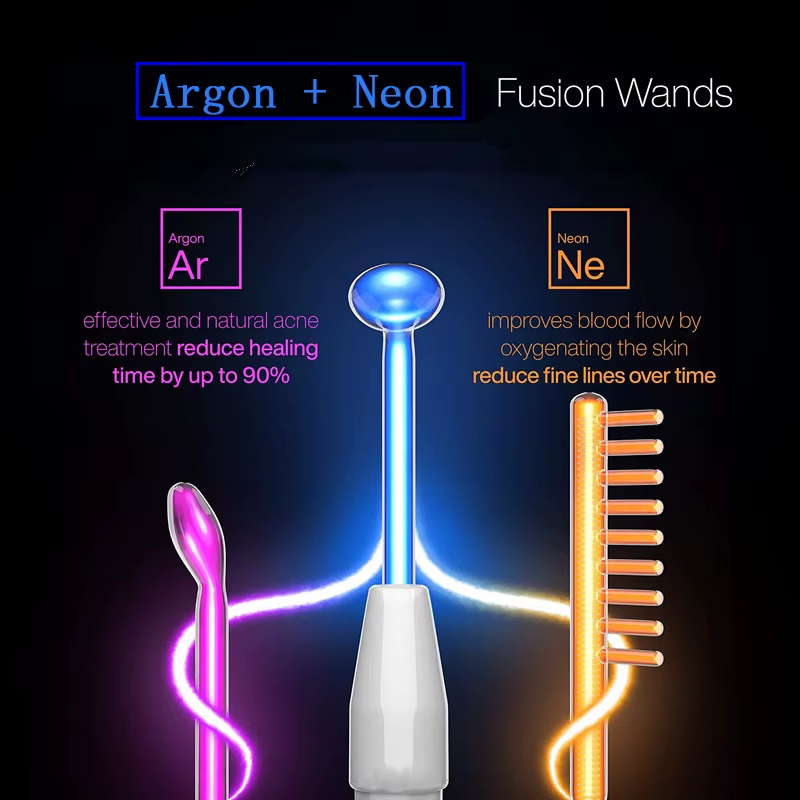
Neon, Argon, Fusion, Spiral Coil High Frequency Glass Electrodes
Learn the real differences between Neon, Argon, and Fusion gases, the science behind internal metal spiral coil electrodes, and why factory wholesale
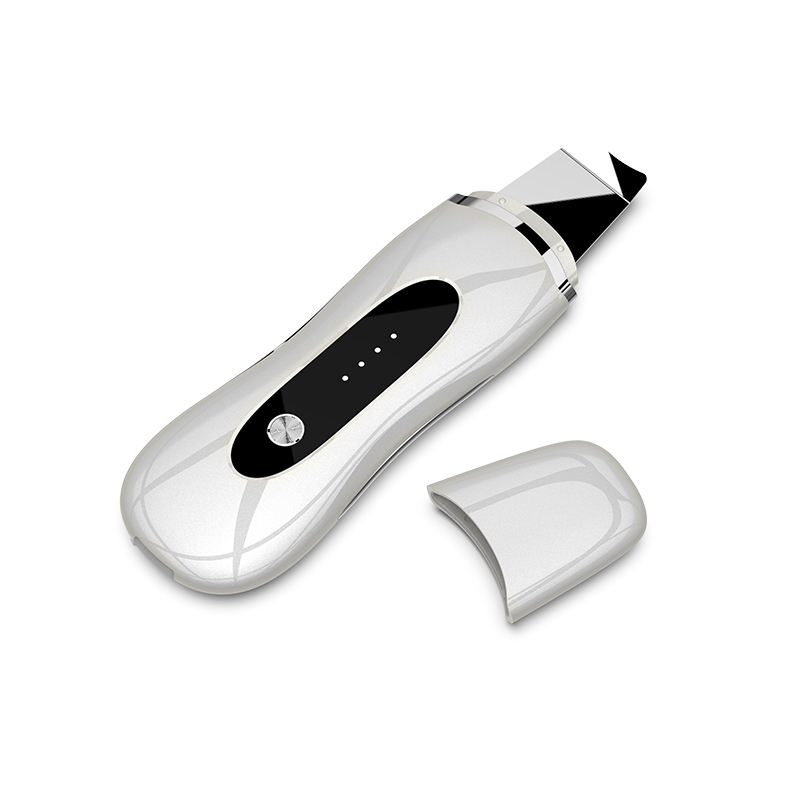
Why 24kHz–28kHz is the Gold Standard for Ultrasonic Skin Scrubbers: The B2B Manufacturing Truth
Discover the critical engineering gap between true 24kHz–28kHz piezoelectric cavitation and cheap vibration motors, and learn how to audit suppliers b
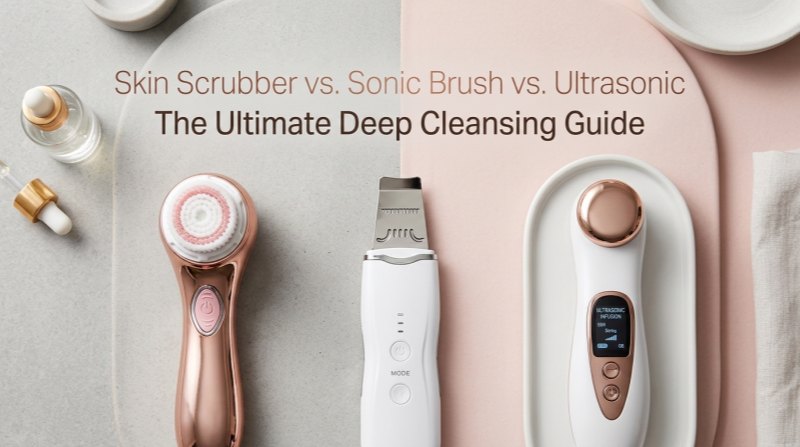
They All Claim to "Deep Cleanse"—But How Do They Actually Clean Your Skin?
Confused by skincare hardware terminology? Discover the real mechanical differences between Sonic Cleansing Brushes, Ultrasonic Skin Scrubbers, and Ul