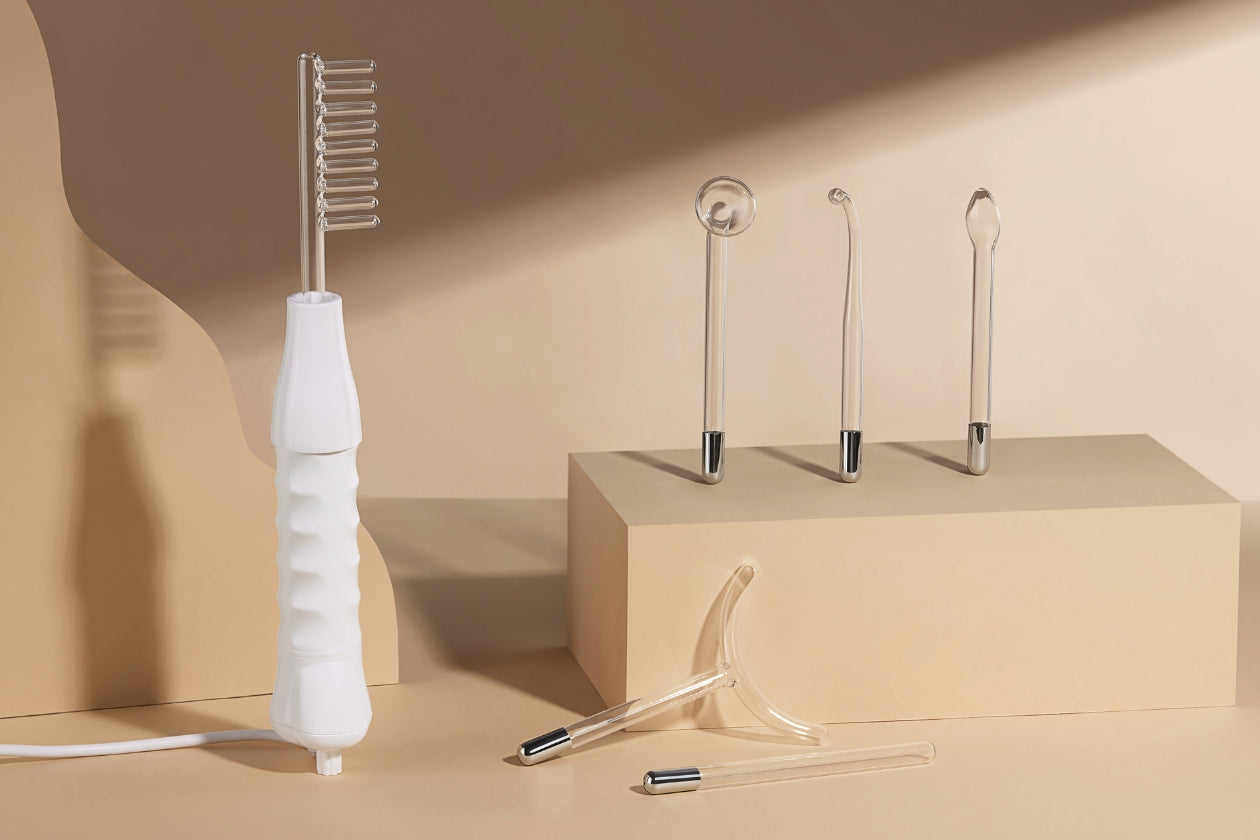
High‑Frequency Wand OEM: Optimize User Manuals to Reduce After‑sales Complaints
High‑frequency wand OEM guide for private‑label brands and wholesalers. Learn to optimize user manuals, safety warnings and mandatory non‑medical‑device disclaimer printed on packaging to lower returns, negative reviews & EU regulatory risks.
Many importers, salon suppliers and private‑label beauty brands frequently face unexpected after‑sales trouble with high‑frequency wands and high‑frequency combs.
A large number of product returns, negative reviews and consumer complaints are not caused by hardware defects. Instead, they come from end‑user misunderstanding and improper operation of portable high‑frequency beauty equipment.
Standard factory‑supplied user manuals are usually overly simplified. They only cover basic power‑on and button instructions, while omitting critical product positioning, realistic‑effect descriptions, contraindications, safety reminders and correct operating procedures. Without complete guidance, consumers easily misuse the device and raise disputes.
When you place OEM or private‑label orders for high‑frequency wands, multi‑language translation is only the baseline requirement. To reduce after‑sales workload, bad reviews and regulatory risks, you can further enrich and optimize manual content. Below is our practical summary for brand owners, resellers and wholesalers sourcing high‑frequency scalp‑treatment devices and multi‑function beauty device accessories.
1. Mandatory Non‑Medical‑Device Disclaimer (must‑print statement, print on outer packaging box + first page of user manual)
Critical regulatory note: This disclaimer shall be printed visibly on product outer box as well as the opening page of user manual for EU and global market compliance.
This portable high‑frequency unit is a cosmetic beauty‑care appliance only. It is not a medical device. It is not intended to diagnose, treat, cure or prevent any skin or scalp disease.
If you suffer from persistent skin or scalp disorders, please consult a qualified dermatologist or medical professional before using this beauty instrument. Never replace professional medical treatment with this device.
2. Clarify product positioning & manage end‑user expectations
Many consumers purchase a high‑frequency wand expecting relaxing physical massage results, and feel disappointed after receiving the unit. Add clear positioning text within your custom‑printed user manual:
This high‑frequency beauty device relies on high‑frequency micro‑current and ozone output for antibacterial and anti‑inflammatory care.
It is not designed for pure physical massage. If massage relaxation is your main demand, please choose vibration‑type massage equipment instead.
Help buyers set realistic expectations to minimize post‑purchase disputes, especially for high‑frequency comb models marketed for scalp care and hair‑related needs:
- Main practical benefits: relieve inflamed acne, improve oily problematic skin, support recovery of minor superficial wounds; optimize oily scalp for high‑frequency scalp‑treatment routines.
- Scars and pigment notes: It delivers mild auxiliary skincare only. It cannot erase old deep scars or fade heavy pigmentation.
- Hair‑growth statement for high frequency wand for hair growth: The high‑frequency comb boosts local scalp circulation and eases scalp inflammation. It works purely as auxiliary scalp care. It cannot cure androgenetic alopecia or permanent hair loss.
3. Complete contraindication checklist (often missing in factory default manuals)
End‑users must read through these warnings before operating high‑frequency wands or high‑frequency combs. Include all items clearly in your custom manual:
Do NOT use this device if any of the following applies:
- Users fitted with pacemakers or other implanted electronic medical devices; high‑frequency signals may interfere with implanted equipment.
- Implanted metal objects located within the treatment zone: dental implants, false teeth near facial areas, surgical metal plates or pins.
- All visible face or scalp piercings must be removed before starting high‑frequency scalp‑treatment or facial sessions.
- Pregnant women, individuals living with severe hypertension or underlying heart‑related conditions.
- Target skin areas with large open wounds, active eczema, severe rosacea, skin lesions or skin tumours.
- Users suffering from fever or acute systemic inflammatory conditions.
Reminder: Even for mild skin discomfort, seek advice from a dermatologist when symptoms persist. This multi‑function beauty‑care tool cannot substitute formal medical therapy.
4. Standardize operation guidance and highlight skin‑burn risk
Skin and scalp burning is one of the frequent user‑induced faults for portable high‑frequency devices. Use bold font to stress non‑negotiable operating rules in your manual:
Do NOT hold the glass electrode stationary on any single spot. Always glide the wand slowly across your face or scalp. Keeping the tube fixed in one position will trigger over‑stimulation, redness, irritation, burning or blisters.
Recommended exposure time for each local zone: 3‑5 seconds with continuous movement. Users with sensitive skin or sensitive scalp must shorten treatment time further.
Adjustable intensity reminder: If you feel strong tingling or sharp pain on the skin, this is usually not a product defect. The device features adjustable power levels. Reduce the intensity setting to a comfortable level before continuing treatment.
Document the two widely‑accepted application modes for high‑frequency wand and high‑frequency comb attachments:
Direct contact mode: Operate on thoroughly cleaned, fully dry skin or dry scalp. Do not apply oily creams, heavy serums or high‑alcohol toners before running your portable high‑frequency device.
Gauze barrier mode (salon‑optimized): Place thin medical gauze between glass electrode and skin surface. This lowers stimulation intensity, ideal for sensitive‑skin end‑users and professional beauty‑salon workflows.
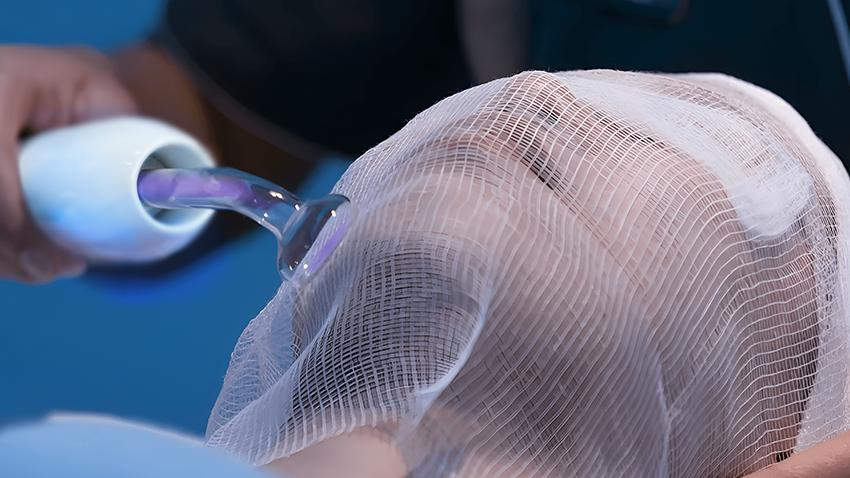
Critical skincare‑sequence reminder:
Apply repairing serums and moisturizing products after completing your high‑frequency treatment, not beforehand. Oily cosmetics used during operation will greatly raise skin‑irritation risks.
Common user‑perceived “faults” brief note
Several physical phenomena are normal during operation, including ozone‑like odour during discharge, possible tingling sensation when touching the high‑voltage connection part, and purple glow being difficult to see under bright lighting caused by inert gas inside glass tube.
For full troubleshooting guidance covering inert‑gas glow judgement, abnormal performance and common post‑receiving issues, please read our dedicated article:
👉 Common Issues After Receiving a New High‑Frequency Wand
5. Equipment safety and hygiene guidance (salon‑oriented notes)
These points are especially valuable for B2B customers supplying beauty salons, and should be added during private‑label customization:
- Immediately discontinue use if glass electrodes become cracked, chipped or gas‑leaking; replace damaged components without delay. Inert‑gas leakage from damaged glass tubes will prevent excitation and glowing.
- For hygiene purposes, glass electrodes of high‑frequency combs and facial wands must not be shared between multiple users, which is essential within salon environments.
- Do not run this portable high‑frequency unit together with RF equipment or alternative micro‑current beauty devices within one single session, to avoid excessive skin stress.
- Power off right away if you feel stinging, sharp pain or abnormal heat during high‑frequency scalp‑treatment or facial use.
- Take off all metal accessories including earrings, metal hair clips and facial piercings before you start your treatment.
6. Business value of optimized manuals for wholesalers & private‑label brands
If you work as a reseller, salon supplier or cooperate with a private label high frequency wand manufacturer China, manual optimization brings tangible commercial benefits:
- Comprehensive, well‑written documentation helps lower return rates, negative‑review volume and after‑support tickets for your wholesale high‑frequency beauty‑device orders.
- A clear non‑medical‑device disclaimer plus full safety warnings reduce product‑liability risks, particularly for EU import. Misclassification as medical equipment can lead to customs hold‑ups and regulatory penalties.
- Box‑printed disclaimer best practice: Printing the non‑medical‑device disclaimer directly on outer packaging eliminates risk when end‑users skip reading the full manual. Many EU market regulators explicitly recommend visible box marking for cosmetic electrical appliances.
- Multi‑language translation represents only basic OEM service. Investing in detailed safety and usage content adds long‑term brand value for your beauty‑device product portfolio alongside other multi‑function beauty device lines.
If you are sourcing high‑frequency pimple zapper wands or high‑frequency rake/combs for wholesale or private‑label customization, we can support you to print customized manual with optimized manual alongside multi‑language.